What to do when insurance won't cover PrEP, labs or visits
Not medical advice. This guide is written from CDC and public health guidance and hasn’t been reviewed by a clinician yet. Sources checked . For advice about your own health, talk to a doctor or clinic. How we write guides · Health disclaimer

The short answer: under the Affordable Care Act, almost every US health plan must cover PrEP, the HIV and kidney tests that go with it and the visits to get it, with no copay and no deductible. If you get a bill or a denial, call your insurer, ask your clinic to bill it as preventive PrEP care, and file an appeal within 180 days if they still say no.
You did the responsible, sexy thing and got on PrEP. Then a lab bill showed up. That bill is very often a mistake, and you can usually make it go away.
What your plan has to cover
The federal rule (spelled out by the Departments of Labor, Health and Human Services and the Treasury in July 2021) says plans must cover PrEP and these services with no cost sharing:
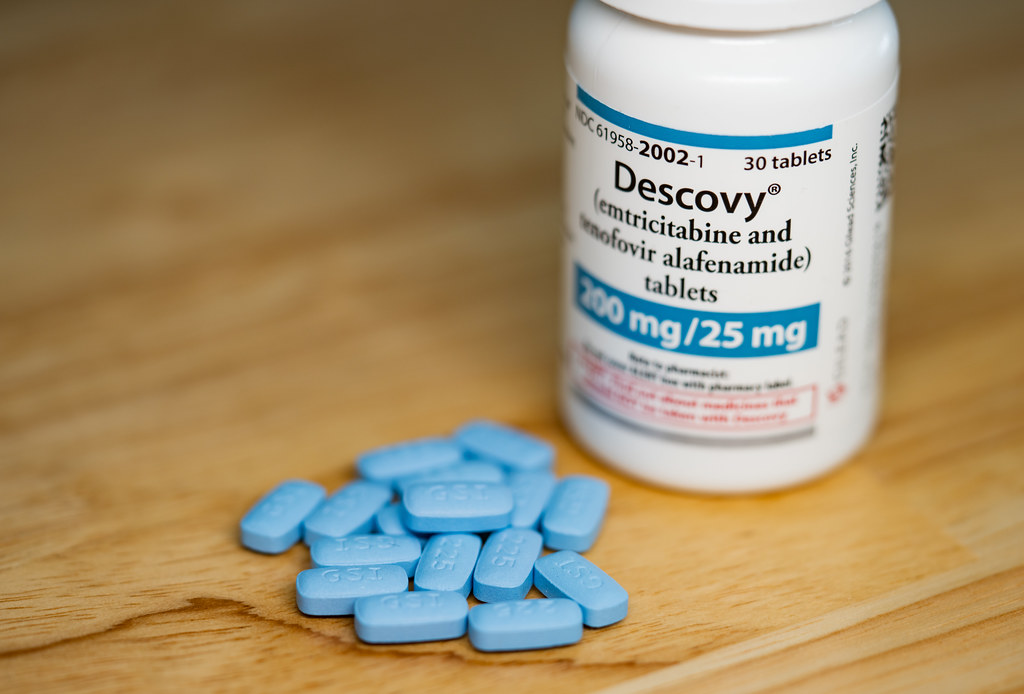
- The PrEP itself. Plans can make you use the generic pill to get it free. But if your provider says the generic is wrong for you, the plan must have a way to waive the cost for the brand.
- HIV tests, before you start and while you’re on it.
- Hepatitis B and C tests.
- Kidney tests (creatinine and eGFR).
- STI screening and counseling.
- Adherence counseling, meaning help taking it.
- Pregnancy tests, for people who can get pregnant.
- The office visits for all of the above.
They also can’t limit how many times you start PrEP. Stopped for a year and want back on? Still covered.
Medicare Part B covers PrEP with no cost sharing too, and most Medicaid programs cover it.
In June 2025 the Supreme Court upheld this rule 6 to 3 in Kennedy v. Braidwood. The same ruling said the HHS Secretary can review the expert panel’s recommendations and replace its members, so it’s worth keeping an eye on. As of today, the rule stands.
How often people still get charged
A lot. A 2025 Health Affairs study surveyed more than 11,000 gay, bi, trans and other sexual and gender minority people across the US. About 1 in 4 (23.7%) had been denied PrEP by insurance at some point, and about 1 in 3 (34.6%) had paid something for PrEP or related care in the last 2 years. Most of those charges were for lab work, and most were on private insurance.
Denials depended a lot on which pill was prescribed:
A Massachusetts study of commercial insurance claims found the same pattern. Charges for PrEP fell from 98% of claims in 2019 to 19% in 2023, but in 2023 76% of brand Truvada claims and 78% of Descovy claims still came with a copay, against 4% for the generic. People who paid something took their PrEP less reliably (85% versus 94%).
Step 1: Call before you pay
Don’t pay a PrEP bill on autopilot. Call the number on your insurance card and ask:
- “Why was this charged to me?” Get the reason and the claim number.
- “Is PrEP and its lab work covered as preventive care under the ACA with no cost sharing?”
- Write down the date, the rep’s name and a reference number for the call.
Often the answer is a coding problem. The clinic billed the visit or the labs as ordinary diagnostic care instead of preventive PrEP care.
Step 2: Ask the clinic to rebill
Call the billing office at the clinic or lab. Tell them the charge is for PrEP and ask them to resubmit it as preventive PrEP care. Billing staff fix this all the time, and it’s the fastest way to make a bill disappear.
If the denial is for a brand-name pill, ask your prescriber to send the plan a note saying why the generic doesn’t work for you (kidney or bone concerns are the usual reasons). The plan has to have a way to waive the cost in that case.
Step 3: File an internal appeal
Still denied? Appeal. The rules come from the ACA, and HealthCare.gov lays them out:
- Deadline: 180 days from the denial notice.
- How: fill out your insurer’s appeal form or send a letter. Include the claim number, a copy of the bill and a line like “PrEP and its associated lab tests and visits must be covered without cost sharing under the ACA preventive services requirement (ACA FAQs Part 47).” Attach a note from your prescriber if you have one.
- How long they get: 30 days if you haven’t had the service yet, 60 days if you have.
Step 4: Ask for an external review
If the insurer says no again, you can have an independent reviewer look at it. HealthCare.gov’s external review page explains it:
- Deadline: 4 months after the final denial.
- How long it takes: up to 45 days, or 72 hours if it’s urgent.
- Cost: free or at most $25.
- Result: if the reviewer sides with you, your insurer has to pay.
Step 5: Complain to the regulator
It helps to know who regulates your plan. If you get insurance through a big employer, the plan is often “self-funded” and overseen by the US Department of Labor’s Employee Benefits Security Administration. Most other plans (individual, Marketplace and small employer) are regulated by your state insurance department. Both take complaints, and insurers tend to move faster once a regulator calls.
If you’re stuck in the meantime
Don’t let a billing fight stop your PrEP.
- Free clinics: many health department and sexual health clinics give PrEP, labs and visits free. Find one at locator.hiv.gov.
- Copay help: drug makers run copay programs for brand-name PrEP, and some states run PrEP assistance programs. HIV.gov lists them.
- Generic pills: generic Truvada is cheap with a pharmacy discount card, even with no insurance.
See How do you get PrEP? for the full list of ways to get it.
Frequently asked questions
Is PrEP free with insurance?
For almost all US plans, yes. The ACA requires plans to cover PrEP, the related lab tests and the visits with no copay, coinsurance or deductible.
Why did I get a bill for PrEP labs?
Usually because the lab or clinic coded the tests as diagnostic instead of preventive. Ask them to rebill as preventive PrEP care, then appeal if your insurer still charges you.
Can my insurance make me take generic PrEP?
Yes, they can cover the generic for free and charge for the brand. But if your provider says the generic is medically wrong for you, the plan must have a way to waive the cost.
How long do I have to appeal an insurance denial?
180 days from the denial notice for an internal appeal, then 4 months after a final denial to ask for an external review.
Is injectable PrEP covered?
The same ACA rule applies to PrEP generally, but plans may require prior authorization for the shots. Ask your prescriber’s office to handle the paperwork, and appeal a denial the same way.
Sources: ACA FAQs Part 47 on PrEP (2021), HIV.gov: PrEP, KFF on Kennedy v. Braidwood (2025), CUNY SPH on D’Angelo et al., Health Affairs (2025), Massachusetts Health Policy Commission PrEP cost-sharing study, HealthCare.gov: internal appeals, HealthCare.gov: external review.
This guide is general information, not medical advice. Talk to a doctor or clinic about your own situation. Health disclaimer
Not sure when to test? The STI test window calculator works out when each test can pick up an infection after sex.
Keep reading
How do you get PrEP? Steps, costs and where to go
How to get PrEP for HIV prevention: which option fits you, the tests you need first, where to get a prescription and how to pay little or nothing.
How soon do you need PEP after a possible HIV exposure?
PEP can stop HIV after an exposure if you start within 72 hours. Who needs it, where to get it tonight, what the 28 days look like and how to pay.
What is doxyPEP and who should take it?
DoxyPEP is an antibiotic you take after sex to prevent syphilis, chlamydia and gonorrhea. How to take it, who the CDC recommends it for and how to get it.
 PrEP and PEPPrEP
 PrEP and PEP72 h
 PrEP and PEP72 h
Follow along
New guides and Bud news by email, about twice a month.
We’ll email you when Bud is ready for your iPhone.
Bring 3 friends, get a year free. When 3 people join with your link, your first year is on us.